How Asset Tracking Apps Enhance Equipment Management for Businesses
Discover how asset tracking apps streamline equipment management, boost efficiency, and reduce operational costs for businesses.
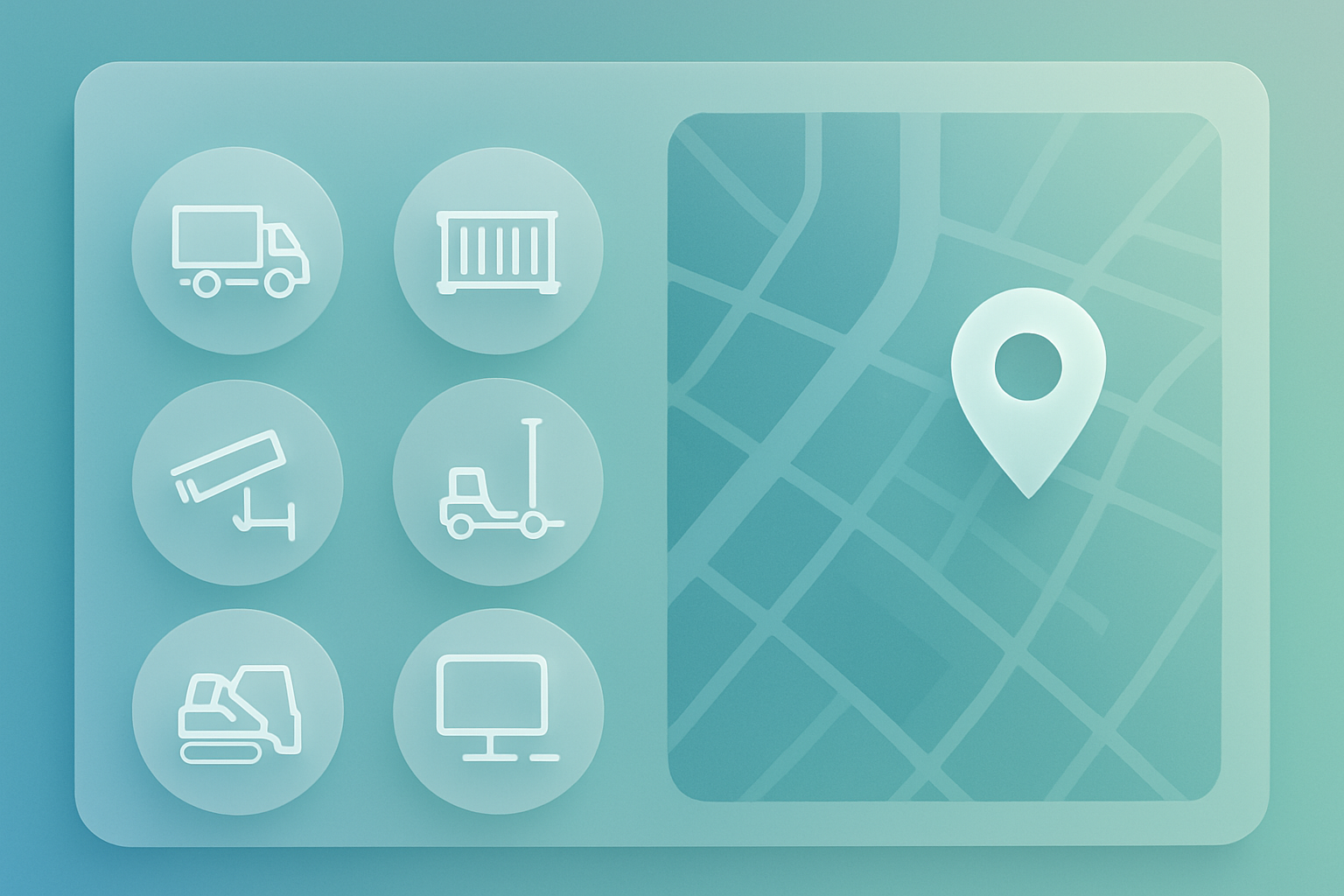
In today’s fast-paced business landscape, the ability to efficiently manage equipment is crucial. Asset tracking apps have emerged as essential tools that empower businesses to oversee their assets—ensuring reliability and reducing costs. By integrating these apps into their operations, companies not only streamline processes but also enhance their overall productivity.
What are Asset Tracking Apps?
Asset tracking apps are software solutions designed to monitor and manage physical assets throughout their lifecycle. From equipment and machinery to vehicles and IT hardware, these applications provide businesses with the tools needed to track location, usage, and maintenance schedules.
Key Features of Asset Tracking Apps
- Real-time Location Tracking: Using GPS or RFID technology, these apps provide real-time updates on asset locations.
- Maintenance Scheduling: Automated reminders for scheduled maintenance help prevent equipment failures.
- Usage Analytics: Insight into how often and how well assets are used can inform purchasing and operational decisions.
- Reporting Tools: Generate reports that showcase asset performance and usage patterns, aiding in strategic planning.
Benefits of Using Asset Tracking Apps
Improved Efficiency and Productivity
One of the most significant advantages of asset tracking apps is their ability to improve efficiency. By providing instant access to asset information, employees can make informed decisions quickly, reducing downtime caused by misplaced or underperforming equipment.
For instance, a construction company using an asset tracking app like Asset Panda can quickly locate tools and machinery on-site, ensuring that projects run smoothly without unnecessary delays.
Cost Reduction
Inaccurate tracking of assets can lead to overspending on replacements or unnecessary rentals. Asset tracking apps help mitigate these costs by ensuring that equipment is properly maintained and accounted for. Apps like Sage Fixed Assets provide comprehensive tracking that aids in budgeting and financial planning.
Enhanced Accountability
With asset tracking solutions, businesses can assign assets to specific employees or departments. This accountability is crucial in large organizations where assets are frequently shared. Platforms such as GigaTrak offer features that enable tracking based on user assignments, promoting responsibility and reducing loss.
Choosing the Right Asset Tracking App
When selecting an asset tracking app, businesses should consider several factors:
- Integration Capabilities: Ensure the app can integrate with existing systems, such as ERP or inventory management software.
- User-Friendliness: The app should be intuitive enough for employees to use without extensive training.
- Scalability: As the business grows, the app should evolve with it, accommodating more assets and features.
Popular asset tracking tools like Zoho Inventory and Fishbowl provide robust features that cater to various business needs, from small startups to large enterprises.
Real-World Applications of Asset Tracking Apps
Manufacturing
In manufacturing, maintaining equipment is vital to avoid production delays. Asset tracking apps allow manufacturers to monitor machine health and schedule maintenance proactively. For example, a factory utilizing UpKeep can ensure that machines are serviced regularly, minimizing unexpected breakdowns.
Healthcare
In the healthcare sector, managing medical equipment is often a matter of life and death. Asset tracking apps help hospitals keep tabs on expensive equipment like MRI machines and wheelchairs, ensuring availability when needed. Solutions like Qventus streamline these processes, enhancing patient care.
Logistics and Transportation
Logistics companies rely heavily on the ability to monitor fleet vehicles and cargo. Asset tracking apps can track vehicle locations, fuel consumption, and driver behavior, optimizing routes and saving costs. Tools like Fleet Complete offer comprehensive tracking and reporting features tailored for this industry.
The Future of Asset Tracking
As technology continues to evolve, the future of asset tracking will likely see further integration with IoT devices and machine learning algorithms. Predictive analytics could help businesses anticipate equipment failures before they occur, enhancing operational efficiency and minimizing downtime.
Tools like IBM Maximo are already incorporating AI to improve asset management strategies, setting a precedent for future innovations in this field.
Conclusion
The integration of asset tracking apps into business operations is no longer a luxury; it’s a necessity for effective equipment management. By leveraging these applications, businesses can enhance efficiency, reduce costs, and ensure accountability. As technology progresses, the potential for innovative solutions in asset management will only expand, paving the way for smarter business practices. Embracing these tools today will position companies for success in the competitive landscape of tomorrow.
Inspired by this post?
We'll suggest features tailored to this post.