How Document Management Apps Mitigate Operational Risks
Explore how document management apps streamline workflows and enhance compliance, significantly reducing operational risks for businesses.
In today's fast-paced business environment, operational risk is a key concern for organizations of all sizes. The unexpected can happen at any moment, be it data breaches, compliance failures, or workflow inefficiencies. Document management apps are proving to be a critical asset in mitigating these risks. This article will delve into how leveraging these tools can streamline operations, enhance compliance, and ultimately safeguard your organization.
Understanding Operational Risk
Operational risk encompasses the potential losses resulting from inadequate or failed internal processes, systems, and external events. In a digitally-driven landscape, managing this risk is paramount. Factors such as human error, system failures, and regulatory compliance issues can jeopardize your business stability. Document management apps offer a solution by organizing and automating critical tasks, thus minimizing the likelihood of these risks.
Streamlining Workflows with Document Management Apps
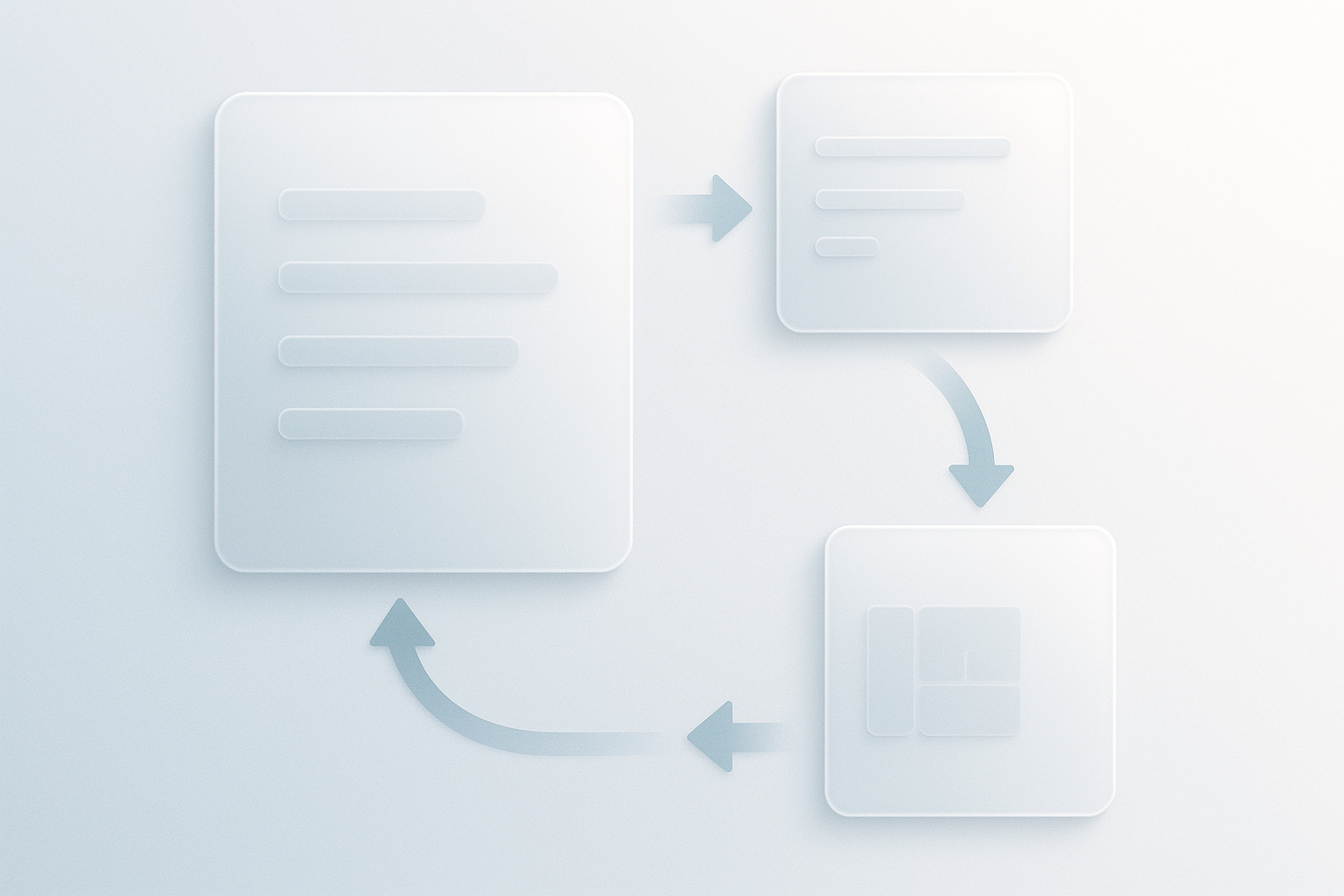
One of the most significant benefits of document management applications is their ability to streamline workflows. By digitizing documents and centralizing data storage, businesses can:
- Reduce time spent on manual tasks: Automating data entry and document retrieval can save hours of valuable employee time.
- Enhance collaboration: Tools like Notion and Zoho Docs allow multiple users to access and edit documents in real time, fostering teamwork.
- Ensure version control: Document management systems (DMS) keep track of changes, so everyone is always on the same page.
Popular Document Management Solutions
- M-Files: This tool uses metadata-driven architecture to help businesses find, manage, and share documents efficiently.
- DocuWare: Known for its robust security features, DocuWare helps streamline document workflows while ensuring compliance with various regulations.
- Google Workspace: With Google Drive, organizations can manage documents, spreadsheets, and presentations in one place, enhancing accessibility and collaboration.
Enhancing Compliance and Security
Compliance with regulatory requirements is a significant aspect of managing operational risk. Document management apps provide a structured approach to ensure compliance by:
- Implementing standardized processes: Automating document workflows ensures that every step in a process meets regulatory standards.
- Auditing capabilities: Many DMS offer built-in reporting features, allowing companies to monitor compliance effortlessly.
- Secure storage: By storing documents in secure, cloud-based environments, businesses reduce the risk of data breaches. Tools like Dropbox Business and Microsoft SharePoint offer advanced security features to protect sensitive information.
Automated Compliance Tracking
Utilizing plugins and integrations can further enhance compliance efforts. For instance, integrating Zapier with your document management system can automate data collection and reporting processes, ensuring that your organization meets necessary legal requirements with minimal manual intervention.
Reducing Human Error
Human error is a leading cause of operational risk. By digitizing workflows and automating repetitive tasks, document management apps significantly reduce mistakes that stem from manual processes. Features such as:
- Templates: Standardized document templates minimize the chances of errors in documentation.
- Approval workflows: Automating approval processes ensures that documents are reviewed and verified before reaching the final stage, reducing the risk of unauthorized changes.
Examples of Workflow Automation
Consider using tools like Gravity Forms or Elementor for creating forms that integrate seamlessly with your document management system. This setup not only captures data accurately but also syncs it directly to your DMS, mitigating the risk of entry errors.
Conclusion: The Takeaway
Incorporating document management apps into your business strategy is no longer a luxury; it is a necessity for reducing operational risk. These tools streamline workflows, enhance compliance, and minimize human error—all critical components of a robust risk management strategy. As we continue to navigate an increasingly complex regulatory landscape, organizations that leverage the power of document management systems will be better positioned to protect their assets and ensure operational continuity. By choosing the right tools, such as M-Files or Google Workspace, and integrating them effectively, businesses can create a more secure and efficient operational framework, safeguarding against the uncertainties that lie ahead.
Inspired by this post?
We'll suggest features tailored to this post.