Why Businesses Need Digital Auditing Tools Instead of Spreadsheets
Explore the benefits of digital auditing tools over traditional spreadsheets for improved accuracy and efficiency in business.
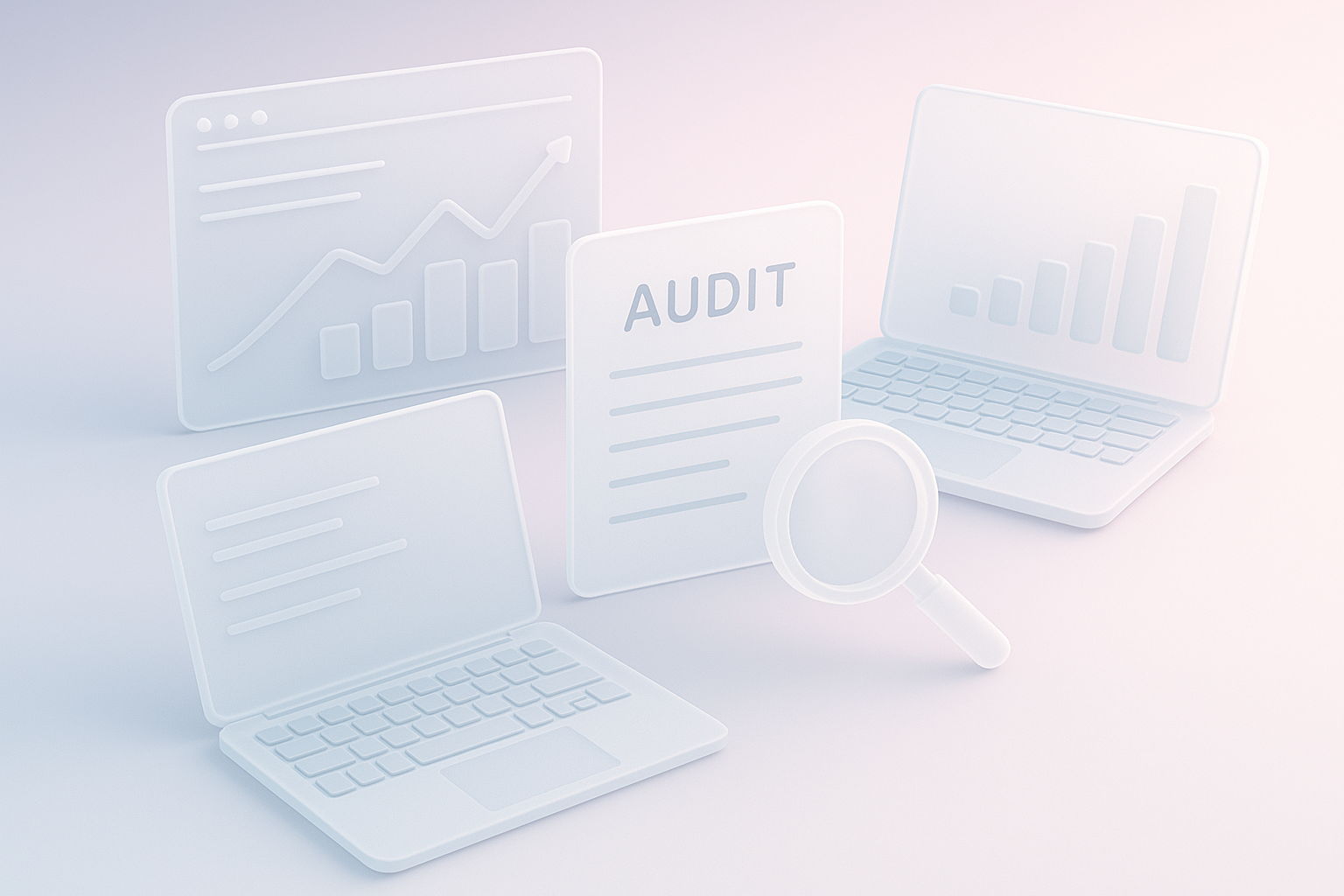
In today's fast-paced business environment, accuracy and efficiency are paramount. Many businesses still rely on spreadsheets for auditing purposes, believing they are sufficient for their needs. However, as organizations grow and data complexity increases, the limitations of spreadsheets become glaringly obvious. This article explores why digital auditing tools are essential for modern businesses, providing a more robust solution than traditional spreadsheets.
The Limitations of Spreadsheets
Spreadsheets are ubiquitous in the business world, often used for data tracking, analysis, and reporting. However, they come with significant drawbacks:
- Error-Prone: Manual data entry increases the risk of human error, which can lead to incorrect conclusions or financial discrepancies.
- Scalability Issues: As data grows, spreadsheets can become unwieldy, making it difficult to manage and analyze large datasets effectively.
- Collaboration Challenges: Sharing spreadsheets can lead to version control issues and conflicts when multiple users edit the same file.
- Limited Functionality: Many advanced auditing features, such as real-time analytics and automated reporting, are not available in traditional spreadsheet applications.
The Rise of Digital Auditing Tools
Digital auditing tools have emerged as a powerful alternative to spreadsheets, offering a range of features designed to enhance data accuracy and streamline the auditing process. Here are some key benefits:
Enhanced Accuracy
Tools like AuditBoard or Onspring automate data collection and reporting, significantly reducing the risk of human error. With built-in validation rules and automated workflows, these platforms ensure that data integrity is maintained throughout the auditing process.
Real-Time Data Access
Digital auditing solutions provide real-time access to data, allowing businesses to make informed decisions quickly. For example, Zoho Analytics integrates with various data sources to provide live updates, enabling teams to respond to issues as they arise rather than after the fact.
Improved Collaboration
Unlike spreadsheets, digital auditing tools are designed for collaboration. Platforms like Notion or Airtable allow multiple team members to access and edit data simultaneously, ensuring everyone is on the same page. This collaborative approach fosters transparency and enhances communication.
Comprehensive Reporting
Digital auditing tools offer advanced reporting capabilities, allowing businesses to generate insightful reports with just a few clicks. With tools like Tableau or Power BI, users can create interactive dashboards that visualize data trends, making it easier to identify areas of concern.
Key Features of Digital Auditing Tools
When selecting a digital auditing tool, consider the following features:
- Automation: Look for tools that automate repetitive tasks, such as data entry and report generation.
- Integration: Ensure that the tool can integrate with other platforms like QuickBooks, Stripe, or Salesforce to streamline data workflows.
- Customizable Workflows: Choose a solution that allows you to tailor workflows to fit your specific auditing processes.
- Security: Opt for tools that prioritize data security and compliance, especially if you're handling sensitive financial information.
Case Studies: Success Stories in Digital Auditing
Many companies have successfully transitioned from spreadsheets to digital auditing tools, reaping significant benefits. For instance, Zalando, a European e-commerce giant, implemented a comprehensive auditing tool that streamlined financial reporting across its numerous departments. The result? A 30% reduction in report preparation time and improved data accuracy.
Another example is AirAsia, which adopted a digital auditing solution to manage its extensive operational data. This shift allowed them to enhance compliance and risk management, ultimately leading to better decision-making and operational efficiency.
Conclusion
In a world where data drives business decisions, relying on spreadsheets can hinder performance and lead to costly errors. Digital auditing tools provide businesses with the accuracy, efficiency, and collaboration necessary for effective data management. As organizations continue to evolve, embracing these advanced tools is not just a recommendation; it's a necessity.
Transitioning to digital auditing tools will empower your business with the insights and agility needed to thrive in an increasingly competitive landscape. Let go of spreadsheets and embrace the future of auditing.
Inspired by this post?
We'll suggest features tailored to this post.