
Harnessing Headless WordPress with Modern Frontends
Explore how headless WordPress can enhance your website's performance and flexibility with modern frontend technologies.
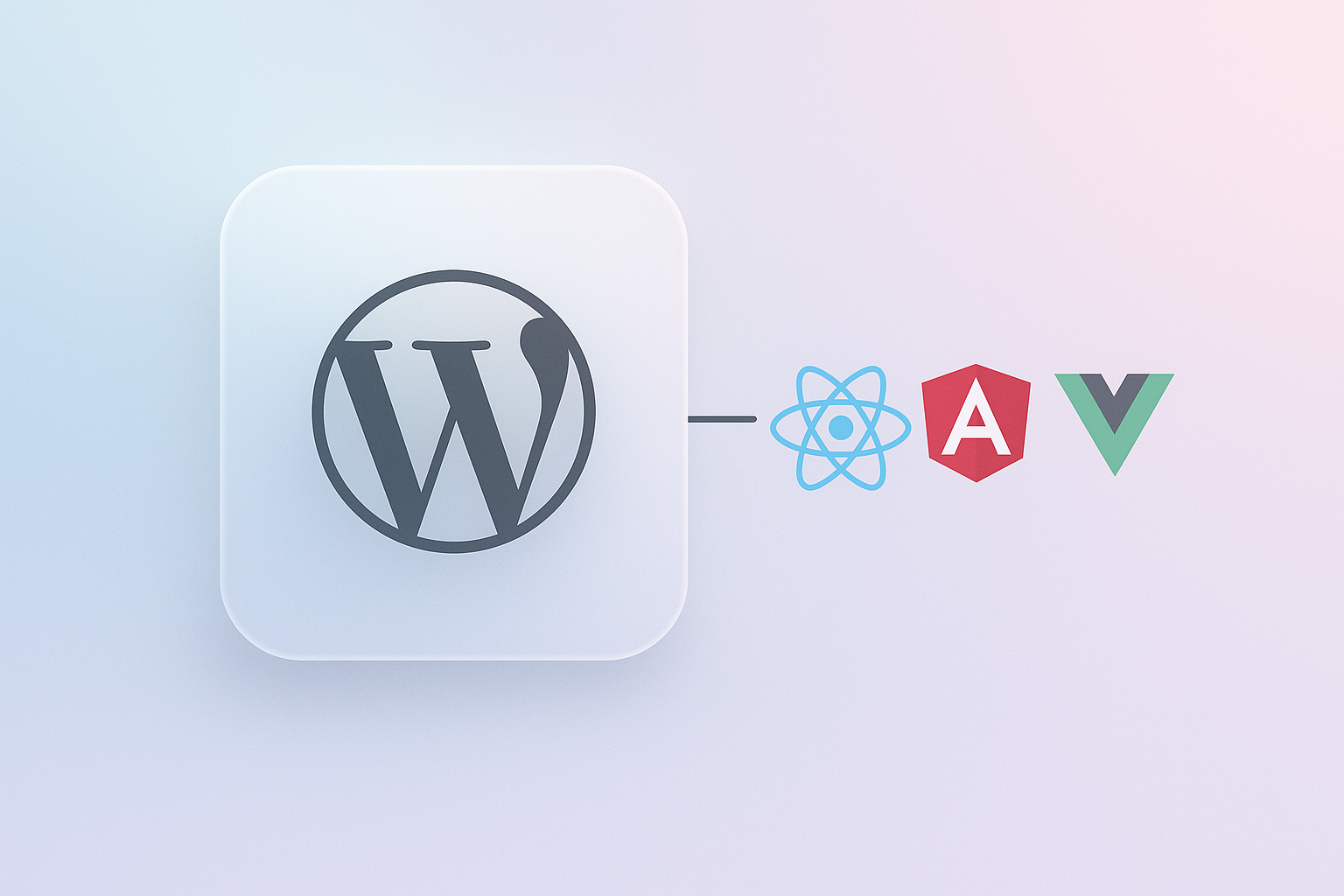
In the evolving landscape of web development, headless WordPress is becoming a preferred choice for digital creators seeking flexibility, performance, and scalability. This architectural approach decouples the backend from the frontend, allowing developers to leverage modern technologies to build performant and engaging web experiences.
Understanding Headless WordPress
Headless WordPress refers to a setup where WordPress serves solely as a content management system (CMS) without dictating the user interface. In this scenario, the backend (WordPress) communicates with the frontend (which can be built using frameworks like React, Vue.js, or Angular) through APIs. This separation allows developers to utilize the strengths of each component without being constrained by the traditional WordPress templating system.
Benefits of Going Headless
- Performance: By serving content via APIs, headless WordPress can deliver faster load times. Frontend frameworks like Next.js or Gatsby can statically generate pages, resulting in improved performance and user experience.
- Scalability: Headless architecture allows you to scale the frontend independently from the backend, making it easier to handle traffic spikes without affecting content management.
- Flexibility: With a headless setup, developers can choose their preferred technologies for the frontend, enabling more creative freedom in design and functionality.
- Omnichannel Experiences: A headless WordPress can serve multiple platforms (web, mobile apps, IoT devices) using a single content source, providing a seamless user experience across different devices.
Popular Frontend Technologies to Pair with Headless WordPress
When building a modern frontend for your headless WordPress, several popular technologies can enhance your project:
- React: A widely-used JavaScript library that enables the creation of dynamic user interfaces. Its component-based architecture is perfect for building interactive web applications.
- Vue.js: Known for its simplicity and flexibility, Vue is a progressive framework that is gaining traction among developers for building efficient single-page applications.
- Next.js: A React-based framework that offers server-side rendering and static site generation, providing an edge in SEO and performance.
- Gatsby: A React-based static site generator that pulls in data from WordPress using GraphQL, optimized for speed and performance.
Essential Plugins for Headless WordPress
While the headless approach changes how we think about plugins, several key plugins can enhance your WordPress backend:
- WPGraphQL: This plugin adds a GraphQL API to your WordPress site, enabling more efficient data queries from the frontend.
- Advanced Custom Fields (ACF): Perfect for managing custom fields, ACF can be utilized to create a flexible and powerful content model.
- Yoast SEO: Even in a headless setup, SEO remains crucial. Yoast helps ensure your content is optimized for search engines, regardless of the frontend technology.
- WP REST API: The built-in REST API allows easy data retrieval from WordPress, making it a core component for any headless site.
Implementation Steps
Implementing a headless WordPress architecture involves several steps:
- Set Up Your WordPress Backend: Install and configure your WordPress CMS along with essential plugins like WPGraphQL and ACF.
- Choose a Frontend Framework: Select a modern JavaScript framework that aligns with your project goals. Next.js and Gatsby are excellent options for many projects.
- Develop the Frontend: Build your frontend application, using API calls to fetch content from WordPress while ensuring a responsive design.
- Integrate and Deploy: Use platforms like Vercel or Netlify for deployment, ensuring your headless application is fast and reliable.
- Monitor and Optimize: Utilize tools like Google Analytics or performance monitoring services to ensure your application runs smoothly post-launch.
Use Cases for Headless WordPress
Headless WordPress is not a one-size-fits-all solution, but it can provide significant advantages in various scenarios:
- E-commerce: If you’re running an online store with WooCommerce, a headless approach can help create a bespoke shopping experience while maintaining robust inventory and order management.
- Multi-Channel Publishing: Brands looking to disseminate content across platforms can benefit from a single content source, ensuring brand consistency while catering to each channel's unique requirements.
- Custom Applications: For developers creating web applications that require real-time data updates or user interactivity, a headless setup allows for the flexibility needed to innovate.
Conclusion: Embrace the Future of Web Development
The headless WordPress architecture is more than just a trend; it represents a significant evolution in how we build websites. By decoupling the backend from the frontend, developers can harness the power of modern technologies to create faster, more scalable, and highly customizable web experiences. As you consider your next project, think about how headless WordPress can provide the agility and performance your users demand. Embrace this approach and stay ahead in the competitive digital landscape.
Inspired by this post?
We'll suggest features tailored to this post.