Empowering Businesses: The Impact of Training Portals on Upskilling Staff
Discover how training portals transform upskilling in businesses, fostering a culture of continuous learning and development.
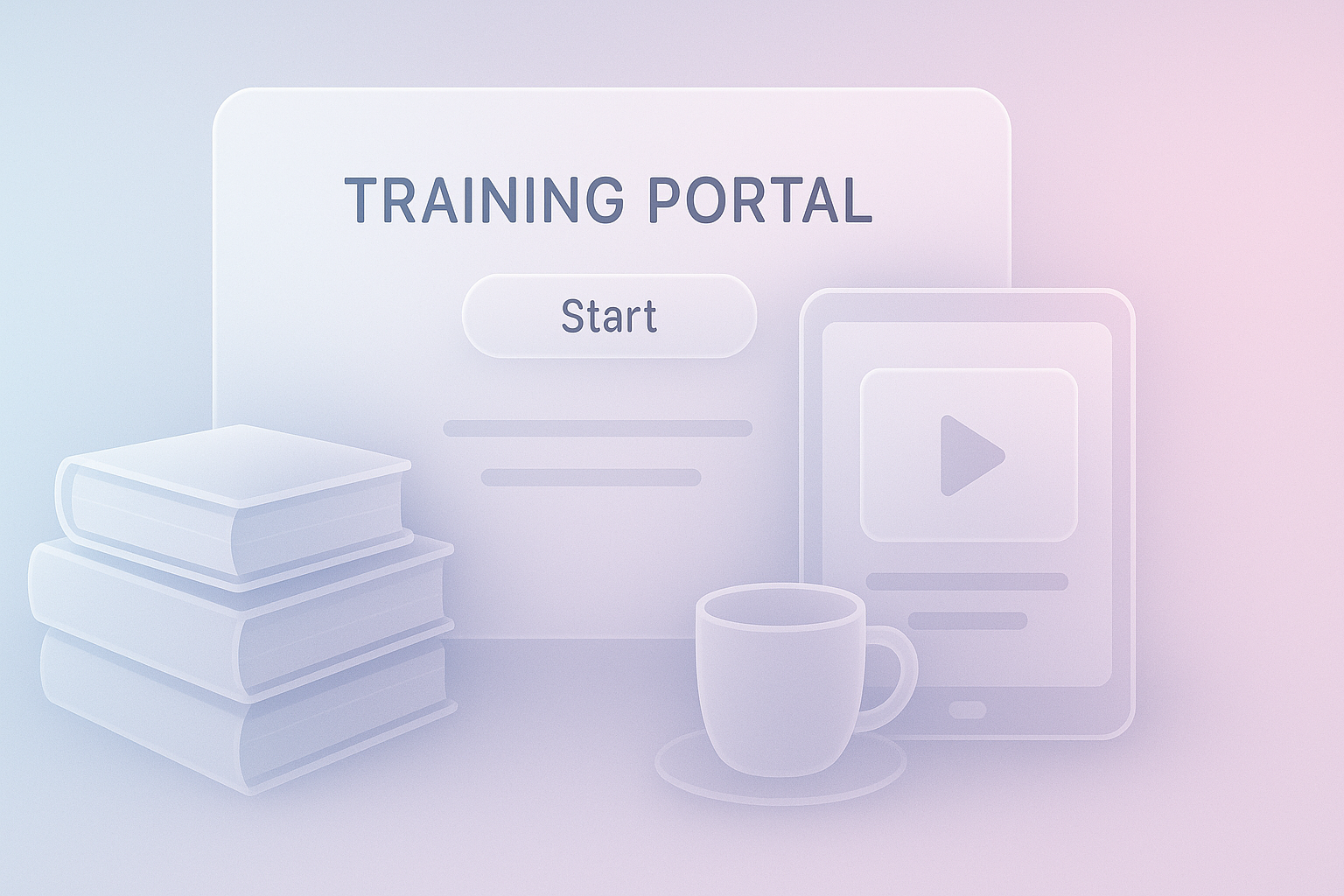
In today’s rapidly evolving business landscape, organizations face a constant need to adapt and innovate. A critical component of this adaptability is the ongoing development of staff skills. Training portals have emerged as a vital tool for businesses aiming to upskill their workforce efficiently and effectively. These digital platforms not only streamline training processes but also foster a culture of continuous learning.
The Role of Training Portals in Upskilling
Training portals serve as centralized platforms where employees can access learning materials, participate in courses, and track their progress. By utilizing these portals, businesses can achieve a range of benefits:
- Accessibility: Staff can access training materials anytime, anywhere, promoting learning at their own pace.
- Customization: Portals can be tailored to specific organizational needs, ensuring relevant content is provided.
- Scalability: As the workforce grows, training portals can easily accommodate more users without significant additional costs.
Enhancing Employee Engagement
One of the key challenges businesses face is maintaining employee motivation and engagement in training programs. Training portals address this challenge through interactive features that make learning engaging.
For instance, platforms like TalentLMS and Thinkific offer gamification elements such as badges and leaderboards. These features incentivize employees to complete courses, thereby increasing participation and retention rates.
Tracking Progress and Performance
Another significant advantage of training portals is their ability to track employee progress. With tools like SAP Litmos or Docebo, businesses can access detailed analytics that provide insights into:
- Course completion rates
- Time spent on training
- Skill acquisition metrics
These insights enable managers to identify skill gaps and tailor training programs to meet specific needs, ultimately driving performance improvements.
Integration with Existing Tools
Training portals often integrate seamlessly with other business tools, enhancing their functionality. For example, if your organization uses Slack for communication, integrating a training portal can allow employees to receive training updates directly within their communication channels.
Moreover, tools like Zapier enable automation of workflows between training portals and other applications, streamlining processes such as enrollment and progress tracking.
Cost-Effectiveness of Training Portals
Investing in training portals may initially seem costly; however, the long-term benefits often outweigh the upfront expenses. Traditional training methods, such as in-person workshops, can incur significant costs related to travel, materials, and instructor fees. In contrast, training portals:
- Reduce the need for physical materials.
- Eliminate travel costs associated with workshops.
- Allow organizations to train multiple employees simultaneously with minimal additional expense.
Building a Culture of Continuous Learning
Creating a culture of continuous learning is essential for fostering innovation and adaptability in a business. Training portals facilitate this by:
- Providing a variety of learning resources, from webinars to eBooks.
- Encouraging self-directed learning where employees can explore topics that interest them.
- Offering opportunities for collaboration through forums and discussion groups, enhancing knowledge sharing.
Businesses like HubSpot exemplify this approach, providing their employees with access to extensive learning resources that not only promote skill development but also reinforce the company’s values of growth and improvement.
Conclusion: The Future of Upskilling with Training Portals
As businesses navigate the complexities of a changing workforce landscape, training portals stand out as a strategic solution for upskilling staff. By offering accessibility, engagement, and performance tracking, these platforms are not just a trend but a fundamental shift in how organizations approach employee development.
Adopting training portals is not merely about keeping pace with industry standards; it is about investing in the future of your workforce. As businesses prioritize their employees' growth, those equipped with the right skills will lead the charge into tomorrow’s challenges, ensuring long-term success and sustainability.
Inspired by this post?
We'll suggest features tailored to this post.