Maximizing Equipment Management with Asset Tracking Apps
Discover how asset tracking apps enhance equipment management and operational efficiency for businesses.
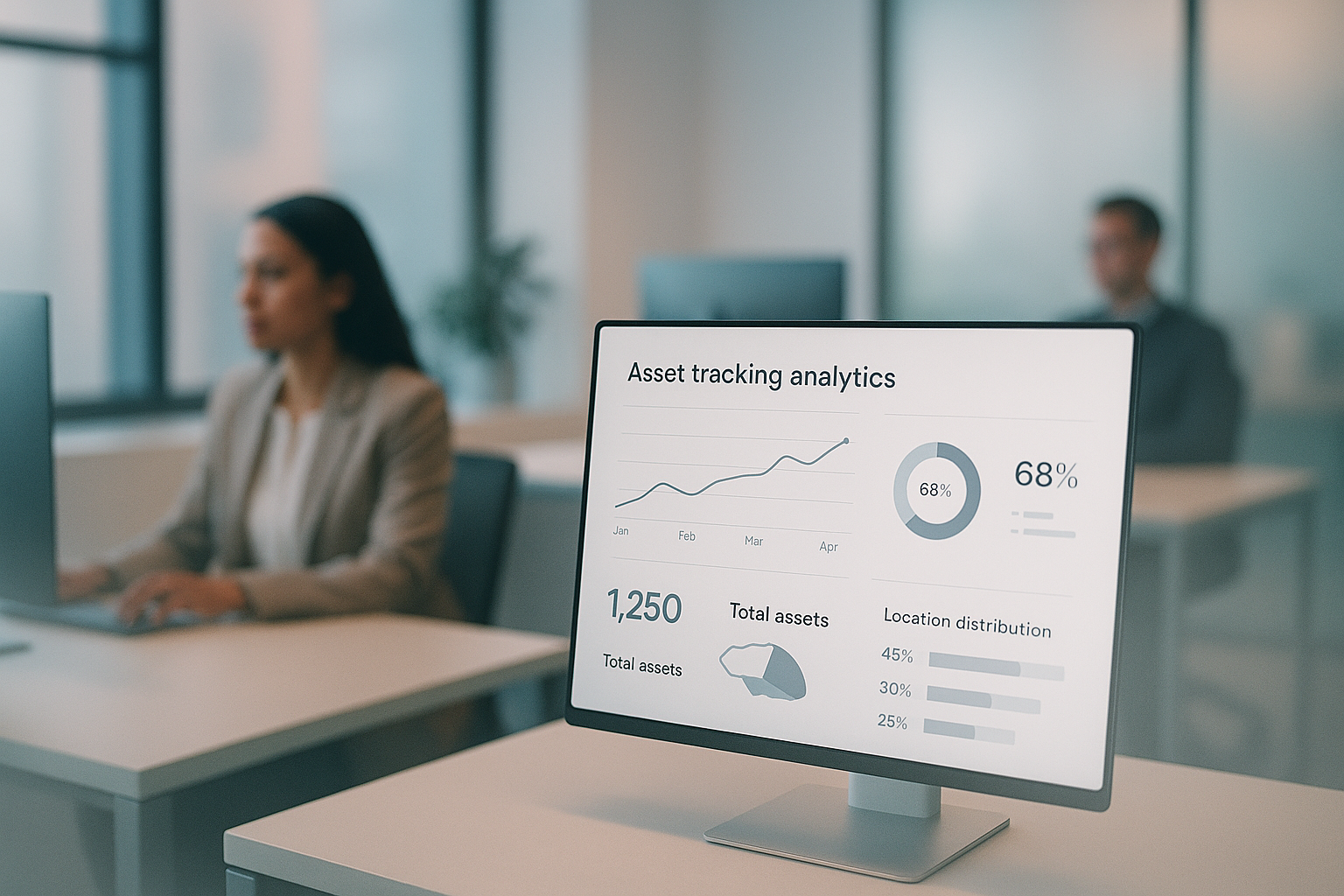
In today's competitive landscape, businesses face increasing pressure to optimize asset utilization and improve operational efficiency. Asset tracking apps have emerged as essential tools for companies seeking to manage their equipment effectively. These applications not only keep tabs on physical assets but also provide valuable insights that can enhance decision-making processes and streamline operations.
Understanding Asset Tracking Apps
Asset tracking apps are software solutions designed to monitor the location, status, and condition of physical assets in real time. By leveraging technologies such as RFID, GPS, and barcodes, these apps enable businesses to maintain an accurate inventory of their equipment. They serve various industries, from construction to healthcare, and help organizations reduce losses, improve maintenance schedules, and enhance overall productivity.
The Importance of Efficient Asset Management
Efficient asset management is crucial for several reasons:
- Cost Reduction: Minimizing equipment loss and downtime leads to significant savings.
- Improved Accountability: Tracking assets ensures better accountability among staff members.
- Enhanced Decision-Making: Real-time data allows for informed decisions on equipment procurement and maintenance.
Key Features of Asset Tracking Apps
When selecting an asset tracking app, businesses should consider several core features that can significantly impact their operations. Here are a few critical functionalities to look for:
1. Real-Time Location Tracking
Real-time tracking capabilities allow businesses to pinpoint the exact location of their assets at any given moment. For example, tools like Asset Panda and SaaS-based solutions like TrackForce provide GPS-based tracking that can be particularly useful for large fleets or equipment spread over vast areas.
2. Automated Inventory Management
Automated inventory management features reduce the manual effort required to keep track of equipment. Apps like Zoho Inventory integrate with asset tracking systems to automate stock levels and alerts when supplies are low, ensuring that businesses can maintain operational continuity.
3. Maintenance Scheduling
Regular maintenance is vital for prolonging the life of equipment. Asset tracking apps can automate reminders and schedules for maintenance tasks. CMMS (Computerized Maintenance Management Systems) like Hippo CMMS offer features that integrate asset tracking with maintenance workflows, ensuring that equipment is serviced before issues arise.
4. Reporting and Analytics
Data-driven insights are crucial for optimizing asset management. Many asset tracking solutions, such as GigaTrak, provide detailed reporting features that help businesses analyze equipment usage patterns, maintenance trends, and financial aspects, enabling them to make informed decisions about future investments.
How Asset Tracking Apps Benefit Businesses
Increased Efficiency
By streamlining the asset management process, these apps eliminate time wastage in locating equipment and managing inventory. Employees can focus on their core responsibilities rather than tracking down lost items.
Enhanced Security
Asset tracking apps improve security by providing alerts for unauthorized access or movement of equipment. This is particularly beneficial for high-value assets, as companies can mitigate risks related to theft or misuse.
Better Resource Allocation
With accurate data on equipment usage and availability, businesses can allocate resources more effectively. This optimization leads to more informed decisions about which assets to purchase, lease, or retire.
Choosing the Right Asset Tracking App
Selecting the right asset tracking app depends on various factors, including the size of the business, type of assets managed, and specific needs. Some options worth considering include:
- Asset Panda: Great for customization and user-friendly interfaces.
- EZOfficeInventory: Offers comprehensive features for small to medium-sized businesses.
- AssetTrack: Perfect for organizations looking for easy integration with existing systems.
Integration with Other Tools
Many businesses may already use various tools for project management, invoicing, or customer relationship management. Choosing an asset tracking app that integrates seamlessly with existing workflows is essential. Platforms like Zapier can bridge the gap between these apps, automating data transfers and enhancing productivity.
Closing Takeaway
The integration of asset tracking apps into business operations is no longer a luxury but a necessity. By providing real-time visibility, automating maintenance schedules, and offering detailed analytics, these tools empower businesses to optimize the management of their equipment. As organizations continue to seek ways to enhance efficiency and reduce costs, the adoption of effective asset tracking solutions will play a pivotal role in achieving these goals.
Inspired by this post?
We'll suggest features tailored to this post.