
Optimizing Order Management with Ecommerce Admin Tools
Discover how ecommerce admin tools streamline order management for businesses, enhancing efficiency and customer satisfaction.
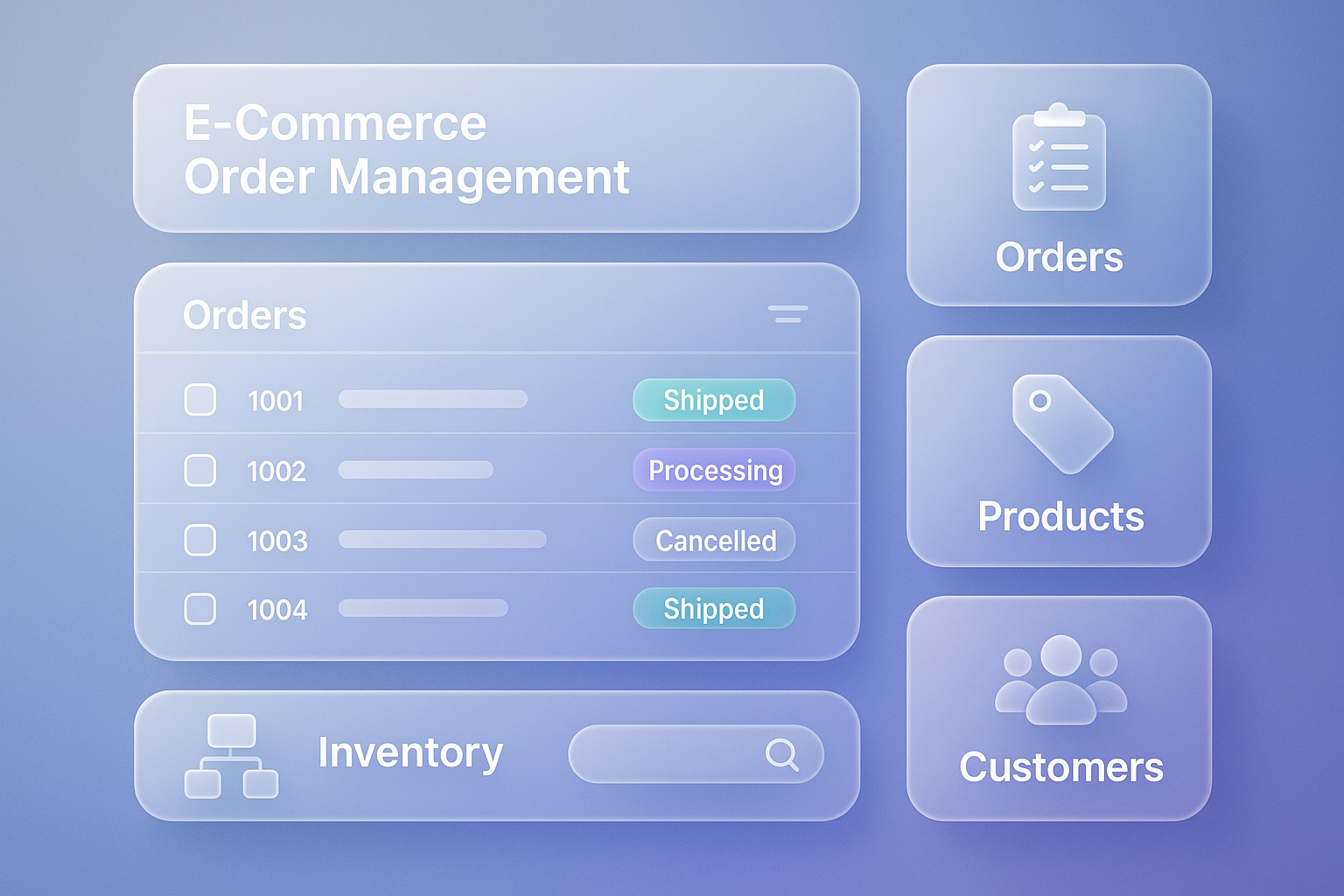
In the fast-paced world of ecommerce, managing orders effectively can be a daunting task. As businesses grow, the complexity of order management increases significantly. This is where ecommerce admin tools come into play, providing essential functionalities that help businesses streamline their operations. In this article, we will explore how these tools assist in managing orders and improving overall efficiency.
The Importance of Order Management in Ecommerce
Order management is the process of efficiently tracking orders from initiation through fulfillment and delivery. It encompasses various tasks, including inventory management, processing payments, and ensuring timely shipments. Proper order management is crucial for maintaining customer satisfaction and operational efficiency. With the right ecommerce admin tools, businesses can manage these processes seamlessly.
Key Features of Ecommerce Admin Tools
Ecommerce admin tools offer a variety of features designed to improve order management:
- Automated Order Processing: Automation reduces manual errors and saves time by processing orders as soon as they are received.
- Inventory Tracking: Real-time inventory management ensures that businesses always know their stock levels, preventing overselling and stockouts.
- Customer Notifications: Automated alerts keep customers informed about their order status, enhancing the overall shopping experience.
- Reporting and Analytics: Insights into sales performance and customer behavior help businesses make informed decisions.
Top Ecommerce Admin Tools for Order Management
- WooCommerce: A powerful plugin for WordPress, WooCommerce provides robust order management features, including inventory tracking, automated emails, and integration with various payment gateways like Stripe and PayPal. Its extensive ecosystem of extensions allows for further customization according to business needs.
- Shopify: As a leading ecommerce platform, Shopify offers built-in order management tools that streamline fulfillment processes, automate shipping label generation, and provide detailed sales reports. Its user-friendly interface makes it accessible for businesses of all sizes.
- Sellbrite: Ideal for multichannel sellers, Sellbrite centralizes order management across various platforms, such as Amazon and eBay. This tool simplifies inventory synchronization and automates fulfillment, reducing the risk of overselling.
Enhancing Efficiency with Automation
Automation is a game-changer in order management. Tools like Zapier and Make can be integrated with ecommerce platforms to automate repetitive tasks. For instance, businesses can set up workflows to automatically update inventory levels in real-time, sync customer data across platforms, or trigger emails to customers upon order confirmation.
Benefits of Automation:
- Reduced Labor Costs: Automating tasks minimizes the need for manual input, freeing up staff for more strategic work.
- Increased Speed: Faster processing times lead to improved customer satisfaction due to timely order fulfillment.
- Fewer Errors: Automation reduces human errors, leading to more accurate order processing and management.
The Role of Customer Support Tools
Customer support is a vital aspect of order management. Implementing customer support tools, such as Freshdesk or Zendesk, can enhance communication with customers regarding their orders. These platforms allow businesses to manage queries efficiently, track customer interactions, and provide timely updates, thus improving overall customer experience.
Analytics and Continuous Improvement
Data-driven decision-making is essential for effective order management. Tools like Google Analytics and Postmark offer insights into customer behavior, sales trends, and operational efficiency. By analyzing this data, businesses can optimize their order management processes, potentially leading to reduced cart abandonment rates and increased sales.
Conclusion
Ecommerce admin tools play a vital role in helping businesses manage orders efficiently. By automating tasks, providing real-time insights, and enhancing customer communication, these tools enable businesses to focus on growth while ensuring customer satisfaction. As the ecommerce landscape continues to evolve, adopting the right tools will be crucial for staying competitive in the market. With options like WooCommerce, Shopify, and Sellbrite, businesses can tailor their order management processes to meet their unique needs, driving both efficiency and customer loyalty.
Inspired by this post?
We'll suggest features tailored to this post.