
Revolutionizing Incident Reporting with Health and Safety Apps
Discover how health and safety apps enhance incident reporting, streamline processes, and improve workplace safety.
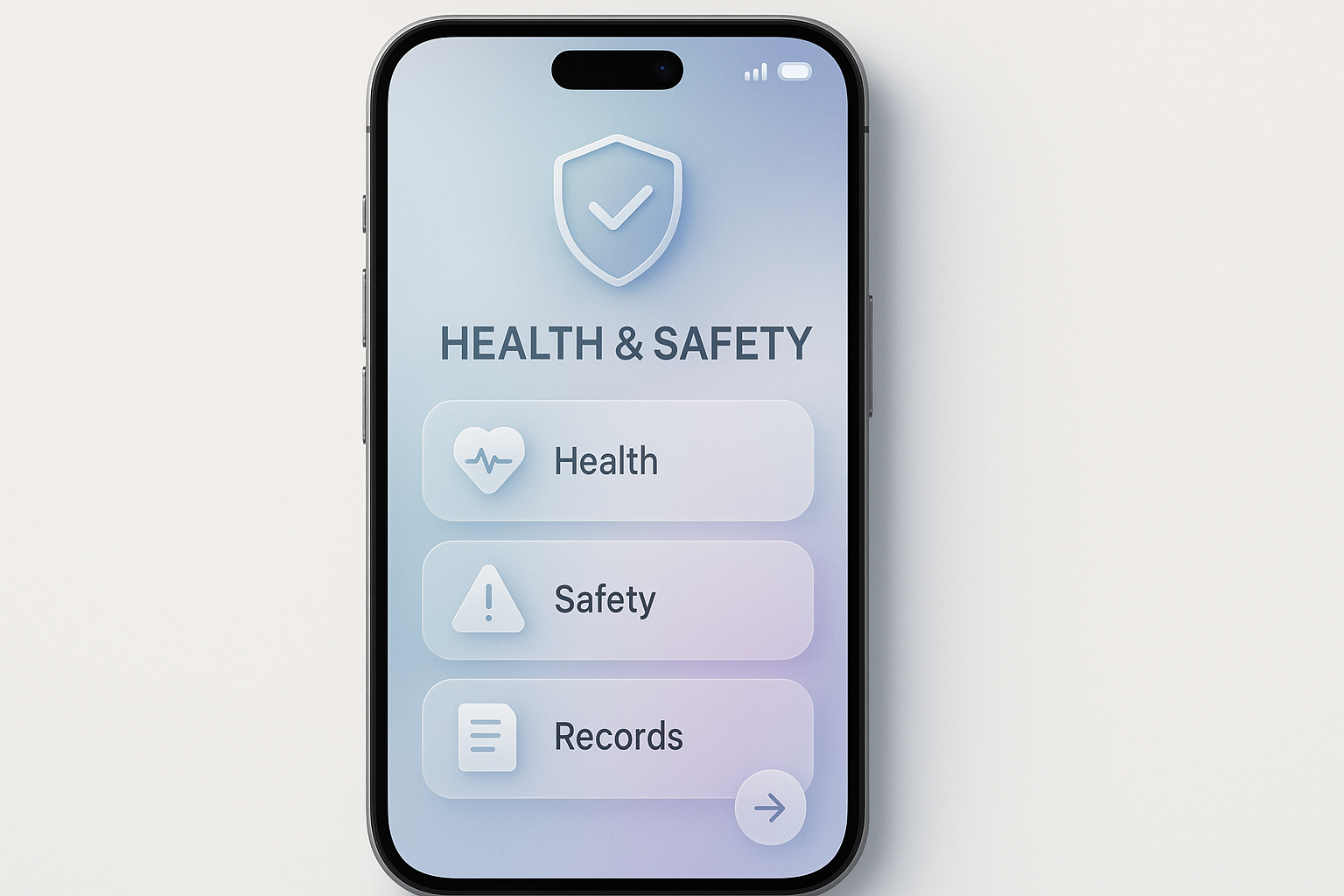
In an era where workplace safety is paramount, health and safety apps are becoming indispensable tools for incident reporting. These applications not only facilitate the reporting process but also ensure that organizations can respond to situations more effectively. By leveraging technology, businesses can transform traditional incident reporting into a streamlined, efficient, and data-driven process.
The Shift from Paper to Digital
Historically, incident reporting was a tedious task often relegated to paper forms. This system was not only cumbersome but also prone to human error. With health and safety apps, companies can digitize their reporting processes, making it easier for employees to report incidents in real time.
For instance, tools like SafetyCulture and iAuditor allow users to quickly document incidents using mobile devices, capturing essential details such as time, location, and nature of the incident. This immediacy not only reduces the likelihood of missing critical information but also accelerates the response time from safety personnel.
Real-Time Data Collection and Analysis
One of the core advantages of health and safety apps is their ability to collect and analyze data in real time. By integrating with cloud-based platforms, these applications can store vast amounts of data that can be accessed and analyzed at any time.
Apps like Gensuite not only help in reporting incidents but also provide analytics that can identify trends over time. This data-driven approach enables organizations to pinpoint recurring issues and implement preventive measures, ultimately fostering a safer work environment.
Key Features of Effective Incident Reporting Apps
When evaluating health and safety apps, consider the following features:
- User-Friendly Interface: An intuitive design that simplifies the reporting process.
- Custom Forms: Ability to tailor incident report forms to meet specific company needs.
- Photo and Video Uploads: A feature that allows users to attach visual evidence to reports.
- Offline Capability: Ensures that reports can still be submitted without a stable internet connection.
- Integration with Other Tools: Compatibility with employee management systems, HR software, or communication tools like Slack for instant notifications.
Enhancing Communication with Stakeholders
Health and safety apps facilitate better communication among stakeholders involved in incident reporting and management. They can send instant alerts to relevant personnel, ensuring that the right people are informed and can take immediate action.
Tools like Zoho Workerly integrate workforce management with incident reporting, allowing companies to keep track of incidents and manage employee safety efficiently. This capability is particularly beneficial in larger organizations where multiple departments need to coordinate their efforts in response to incidents.
Impact on Compliance and Training
Compliance with safety regulations is crucial for businesses, and health and safety apps play a vital role in maintaining these standards. By automating reports and maintaining comprehensive records, these applications help organizations demonstrate compliance during audits.
Moreover, data from incident reports can inform training programs. For example, if a particular type of incident is frequently reported, safety managers can develop targeted training sessions to address these specific risks. Apps like Everfi provide training modules that can be linked to incident reporting data, creating a proactive safety culture.
The Future of Incident Reporting
The integration of advanced technologies such as AI and machine learning into health and safety apps is set to revolutionize incident reporting further. Predictive analytics can help organizations foresee potential hazards and intervene before incidents occur.
Platforms like Hive are exploring these capabilities, offering insights that can guide safety protocols and resource allocation. By harnessing AI, businesses can move from a reactive stance to a proactive safety strategy, ultimately reducing incident rates and fostering a healthier workplace.
Closing Takeaway
Health and safety apps are pivotal in transforming how organizations handle incident reporting. By embracing these digital solutions, businesses not only enhance their reporting processes but also cultivate a culture of safety and responsibility. As the landscape of workplace safety continues to evolve, those who adapt and innovate will undoubtedly lead the charge toward safer work environments.
In a world where every second counts, the transition from paper to digital incident reporting is not just an improvement; it is a necessity for any organization committed to ensuring the safety and well-being of its employees.
Inspired by this post?
We'll suggest features tailored to this post.