
Transforming Business Processes: The Shift from Paper to Digital Forms
Explore how digital forms are revolutionizing business processes by replacing traditional paper methods for efficiency and better data management.
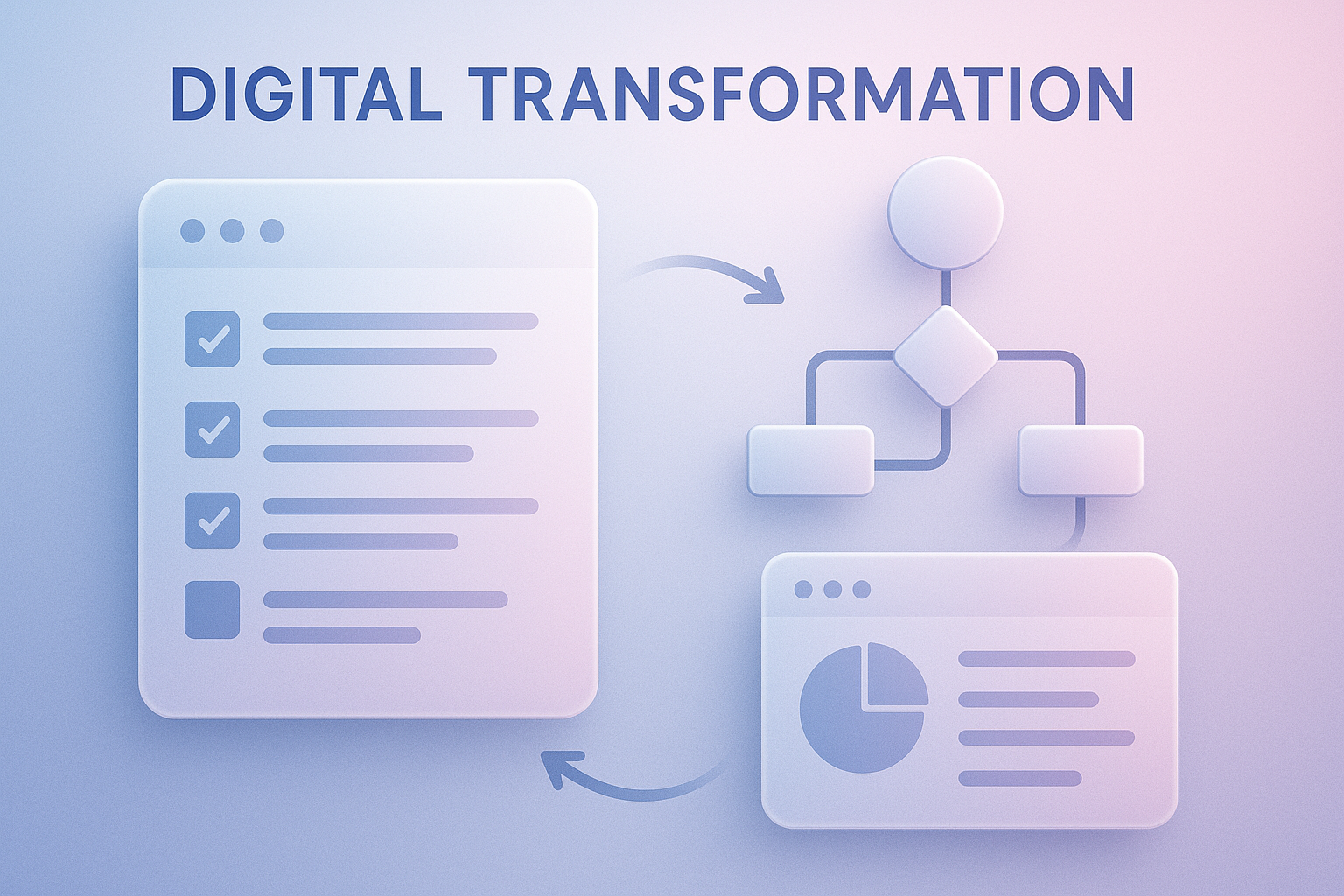
In the rapidly evolving landscape of business operations, the transition from paper-based processes to digital forms is not merely a trend; it's a fundamental shift that enhances efficiency, accuracy, and sustainability. As organizations strive for operational excellence, the adoption of digital forms is becoming increasingly critical. This article delves into how digital forms are replacing traditional paper methods and the transformative impact on various business processes.
The Pitfalls of Paper-Based Processes
While paper has been the backbone of business documentation for centuries, its limitations are becoming evident. Paper-based processes are often plagued by inefficiencies:
- Manual Entry Errors: Data entered on paper can lead to mistakes during transcription to digital systems.
- Storage Issues: Physical documents require significant storage space, making retrieval cumbersome.
- Lack of Accessibility: Accessing paper documents remotely is challenging, hindering collaboration.
- Environmental Impact: The use of paper contributes to deforestation and waste.
In light of these shortcomings, businesses are exploring digital alternatives to streamline their operations.
How Digital Forms Enhance Efficiency
Digital forms provide a robust solution to the challenges posed by paper-based systems. Here are a few ways they enhance operational efficiency:
1. Streamlined Data Collection
Digital forms allow for real-time data collection, enabling businesses to gather information quickly and accurately. Tools such as Gravity Forms and WPForms integrate seamlessly with WordPress, allowing users to create custom forms that can collect various types of data, from surveys to lead generation.
2. Automation and Integration
Integrating digital forms with other SaaS applications can automate workflows. For instance, using Zapier or Make, businesses can connect their forms to a multitude of services, like email marketing platforms or CRM systems. This means data can flow automatically into systems like Mailchimp or Salesforce, reducing manual input and increasing accuracy.
3. Enhanced Data Management
Digital forms facilitate better data organization. Solutions like Airtable or Notion allow businesses to manage collected data within a dynamic interface, making it easy to sort, filter, and analyze information.
4. Improved Accessibility and Collaboration
With cloud storage solutions like Google Drive or Dropbox, digital forms can be accessed from anywhere. This feature is particularly beneficial for remote teams, who can collaborate on data in real-time without the limitations of physical documents.
5. Cost-Effectiveness
Transitioning to digital forms can significantly reduce costs associated with printing, storage, and manual data entry. Businesses can allocate resources more effectively, investing in technology that drives growth rather than maintaining outdated processes.
Case Study: A Real-World Application
Consider a mid-sized company that processes customer feedback through paper surveys. By transitioning to digital forms using Typeform, they not only streamlined the data collection process but also integrated results directly into their CRM, enabling immediate follow-up actions. This shift resulted in a 40% increase in response rates and a 30% reduction in processing time.
Overcoming Resistance to Change
While the benefits are clear, many organizations face resistance when shifting from paper to digital processes. Here are strategies to overcome this:
- Training and Support: Ensure that employees are well-trained on the new systems to alleviate fears of the unknown.
- Gradual Transition: Start with one process at a time to demonstrate the benefits before a full-scale implementation.
- Showcase Success Stories: Highlight successful case studies within the organization to encourage wider adoption.
The Future of Business Processes
As technology continues to advance, the future of business processes will undoubtedly be digital. Innovations such as AI-driven data analysis and automation are set to further enhance the capabilities of digital forms. Tools like OpenAI can even assist in generating insights from the data collected via forms, paving the way for data-driven decision-making.
Closing Takeaway
The shift from paper to digital forms represents more than just a technological upgrade; it’s an evolution in how businesses operate. By embracing digital forms, organizations can enhance efficiency, improve data management, and create a more sustainable future. As technology continues to evolve, those who adapt will find themselves at a significant advantage in the competitive landscape.
In conclusion, digital forms are not just a replacement for paper—they're a foundation for modern, efficient, and responsive business practices.
Inspired by this post?
We'll suggest features tailored to this post.